
Rhinoplasty, or nose reshaping, is a procedure that can be performed using both open and closed techniques to alter the size and shape of the nose, either to improve its functional function, such as breathing, or to achieve a more aesthetically pleasing appearance.
The nose’s most important function is breathing, or respiration. The primary goal is to preserve and improve this function as effectively as possible. Nose reshaping is an operation sought for both aesthetic and health reasons. Individuals may choose nose reshaping because they are dissatisfied with the shape or structure of their nose. From a health perspective, rhinoplasty is considered if there is a condition that impairs respiratory function.
Rhinoplasty is generally performed to address dissatisfaction with the shape or structure of the nose aesthetically and to improve breathing. It can be applied to individuals who are bothered by these aspects.
Nose reshaping may be performed due to complaints such as a hooked nose, a long nose, a drooping nasal tip, large nostrils, or asymmetry. With rhinoplasty, the size of your nose can be increased or decreased, large nostrils can be reduced in size, the shape of the nasal tip can be changed, and the angles the nose makes with the forehead and lips can be corrected.
During this procedure, cartilage and bone deformities that cause breathing problems can also be corrected. In addition, rhinoplasty surgeries are performed to correct deformities resulting from various traumas such as accidents and impacts.
Complications such as nasal depression, drooping nasal tip, nasal asymmetry, and persistent bruising can occur after rhinoplasty surgery. However, it is very important that rhinoplasty is performed by experienced surgeons, that the patient strictly follows their doctor’s recommendations, and that they protect their nose from trauma after the operation.
The potential risks of rhinoplasty are as follows:
Post-operative nasal depression
Dropping nasal tip
Nasal asymmetry
Persistent bruising
The risk of complications in rhinoplasty surgery is not related to whether the procedure is performed openly or closed. Some complications may develop that are specific to the individual, not the method.
The surgery is performed under general anesthesia. This procedure is extremely comfortable for both the doctor and the patient. Since the patient receives general anesthesia, it is usually recommended that they stay in the hospital for one night. They can return to daily life the next day. However, it is recommended that the patient spend 2-3 days at home after the surgery.
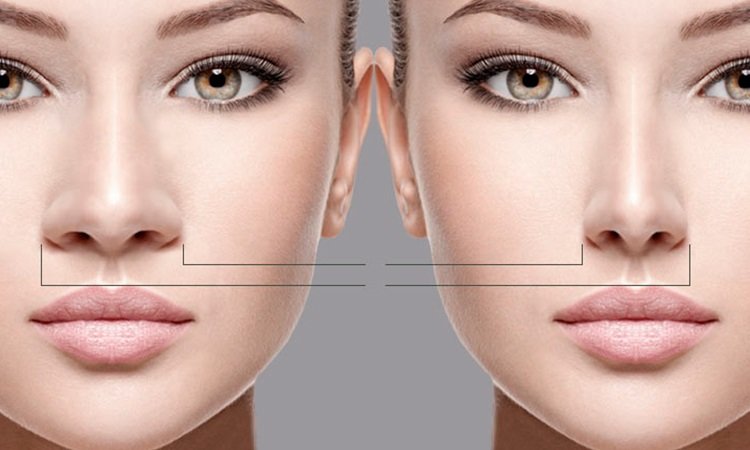
Risks seen in rhinoplasty include infection, bleeding, anesthesia-related problems, loss of sensation in the nose, breathing difficulties, wound healing problems, asymmetry, and undesirable aesthetic results.
Asymmetry: Mild asymmetries may occur in the nasal structure after surgery. This is usually minimal and often unnoticeable. However, revision surgery may be necessary in some cases.
Loss of Smell: Although rare, temporary or permanent changes in the sense of smell may occur after rhinoplasty. This is usually related to damage to the sensitive olfactory nerves inside the nose. Risks of Infection: As with any surgical procedure, there is a risk of infection after rhinoplasty. This risk can be minimized with antibiotic use and proper wound care. Long Recovery Period: The recovery period after rhinoplasty varies from person to person, but it can generally take several weeks. Swelling, edema, bruising, and discomfort may be more pronounced in the first few days. Complete healing and the appearance of final results may take months.
Other Risks: There are other risks such as bleeding, scarring, nasal congestion, numbness or tingling in the skin, difficulty breathing, and health problems related to anesthesia.
Following rhinoplasty surgery, there may be difficulty breathing, permanent numbness in and around the nose, an uneven nose appearance, pain, discoloration or permanent swelling, scarring, septal perforation, and the need for additional surgery. Detailed information about these risks is provided to the patient before the surgery.
Before proceeding to the planning stage of rhinoplasty, a consultation is held between the doctor and the individual considering rhinoplasty to determine whether the surgical operation will be effective.