
Youth injections are used to reduce the effects of aging and make the skin look younger. Mesotherapy, a method in which various substances such as amino acids, hyaluronic acid, vitamins, and minerals are injected into the lower layers of the skin, is called a youth injection.
Aging causes problems such as wrinkles, lines, sagging, depressions, blemishes, thickening, and loss of moisture and elasticity on the face. Various skin rejuvenation treatments have been developed to address these problems.
Hyaluronic acid, found in our bodies, is abundant in our youth; however, its effect rapidly diminishes from the age of 20 onwards. With the decrease in hyaluronic acid, the skin loses its quality, radiance, firmness, moisture, and elasticity. Hyaluronic acid helps the skin regain its former health by activating collagen, which enables the skin to retain moisture, tighten, and renew cells.
Hyaluronic acid, used in youth vaccines, is a naturally occurring component of the skin that maintains its moisture balance. Found in the skin’s connective tissue, it helps keep the skin hydrated, plump, and elastic. As skin ages, hyaluronic acid production decreases, leading to wrinkles, dryness, and loss of elasticity.
In youth vaccines, hyaluronic acid-containing fillers are injected into the deeper layers of the skin. This deeply moisturizes the skin and increases its ability to retain water. Hyaluronic acid helps restructure the skin and stimulates natural collagen production. This process makes the skin look firmer, smoother, and younger.
Hyaluronic acid also helps fill in fine lines and wrinkles, further enhancing the skin’s youthful appearance. Because hyaluronic acid is a natural component, the likelihood of allergic reactions is minimal.
In conclusion, hyaluronic acid is used in youth vaccines to combat signs of aging, resulting in a healthier, more vibrant, and younger-looking complexion. In conclusion, hyaluronic acid is a frequently preferred ingredient in the fields of aesthetics and dermatology.
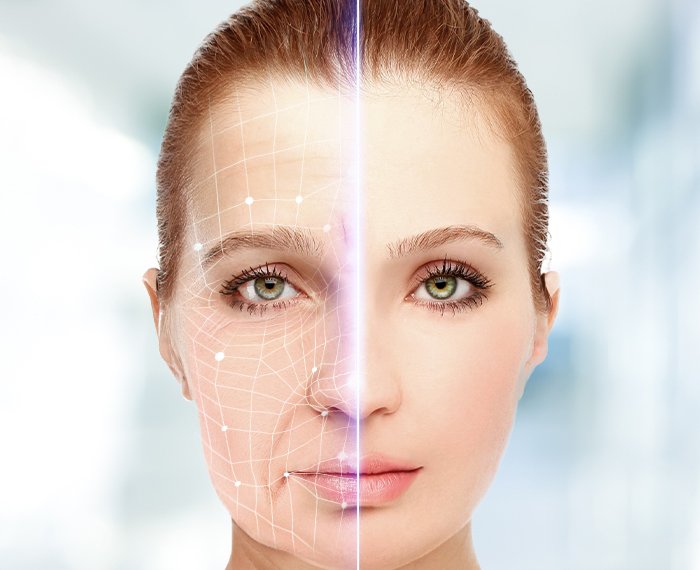
This method involves injecting specific components into the skin and is usually performed by aesthetic specialists or dermatologists.
First, the youth vaccine procedure begins with a skin analysis of the patient. The specialist assesses the patient’s needs and the needs of the skin. Following this assessment, the components to be used and the areas to be injected are determined. Vitamins, amino acids, minerals, and hyaluronic acid are frequently used in youth vaccines. These components maintain and renew the skin’s moisture balance.
The area to be injected is cleaned, and a local anesthetic cream is applied if necessary. This ensures the patient remains comfortable and pain-free during the procedure. Then, the youth vaccine is injected into the lower layers of the skin using thin, small needles. Depending on the area being treated, the injection process is usually short, lasting 15 to 30 minutes.
The skin may feel red and swollen after the injection, but these symptoms usually subside within a few hours. The specialist will provide advice on post-operative care. This advice may include moisturizing the skin, avoiding strenuous physical activity, and using sunscreen.
The effects of the youth vaccine are usually seen after the first dose; however, more doses may be needed to achieve the best results. According to the treatment protocol, sessions can be spaced two to four weeks apart, and a total of three to four sessions may be recommended depending on the skin’s needs. Post-treatment results may vary depending on skin type and aging. In general, periodic maintenance is recommended to maintain the results obtained.