
Bruxism is a sleep disorder that manifests in three different ways: clenching the teeth during sleep, sudden jaw closure during sleep in those who sleep with their mouths open, or teeth grinding. Teeth clenching is often of dental or neurological origin.
In bruxism patients, the muscle activity associated with teeth clenching during sleep is three times greater than in normal individuals. Furthermore, the strength of muscle contractions is also higher than in awake individuals.
The causes of bruxism or teeth clenching include:
Personality structure
Genetic factors
Medications
Neurological or psychological problems
Stress and sleep disorders (such as sleep apnea, restless leg syndrome, migraine, etc.)
In addition, imbalances in oral tissues, missing or decayed teeth, and faulty dentures can also be causes of bruxism.
Clinical studies have shown that patients with sleep bruxism may have difficulty initiating and maintaining sleep, problems with the REM sleep phase, resulting in a slight increase in daytime sleepiness and a decrease in quality of life.
The most common symptoms of bruxism include:
Tooth fractures,
Wear,
Loosening,
Gum disease,
Bone loss disorders,
Sensitivity to hot and cold,
Jaw pain,
Restricted movement,
Joint pain,
Sound or jaw locking,
Rarely headaches,
Neck pain,
Migraine attacks
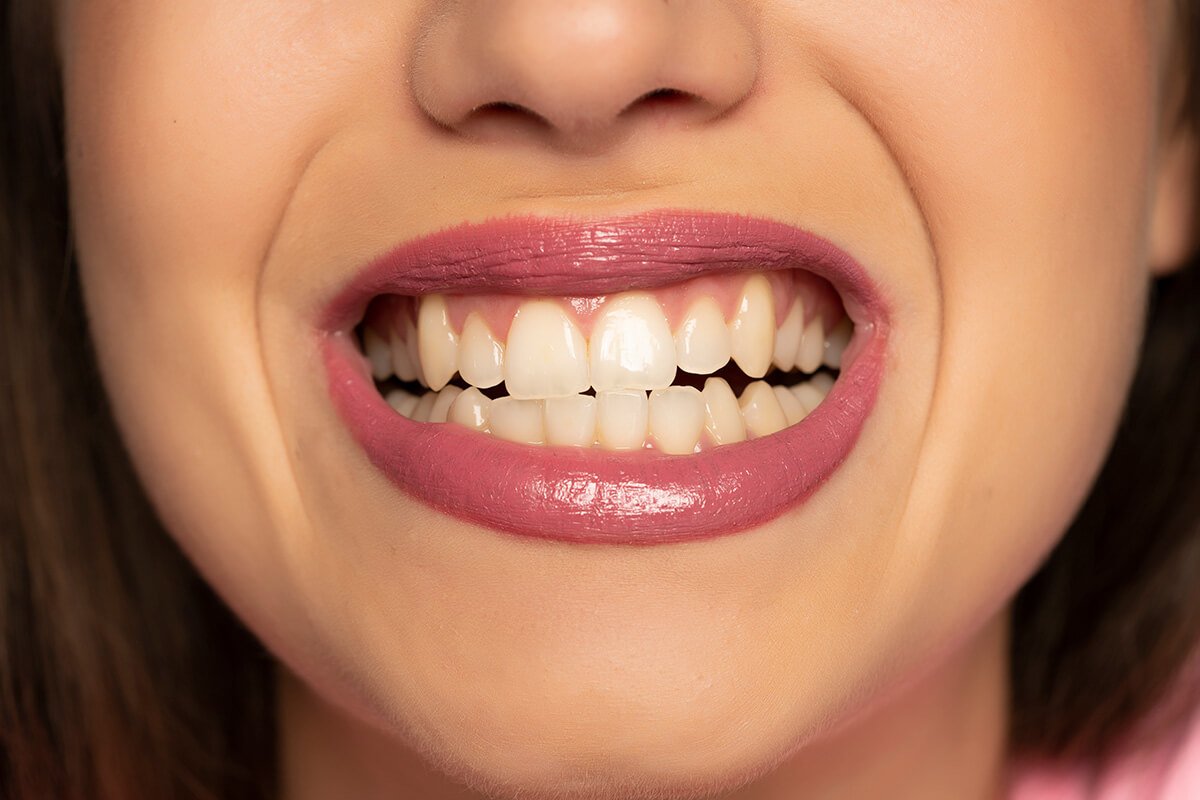
Bruxism can occur while awake or asleep. The grinding action is the same, but bruxism while awake and bruxism while asleep are two separate conditions:
Awake teeth grinding: If you only grind (clench or clench) your teeth while awake, you may not need treatment, especially if you can find ways to increase your awareness and reduce stress. Feeling anxious, stressed, or angry can cause you to grind your teeth. You may also notice your jaw clenching when you are intensely concentrating on something.
Sleep bruxism: Grinding or clenching your teeth while asleep can cause more harm than bruxism while awake because you are not aware of it. People with sleep bruxism often need treatment to help manage the effects of teeth grinding.