
Tooth whitening is an aesthetic dental treatment performed to remove stains and yellowing from teeth. Over time, factors such as food, beverages (coffee, tea, wine, etc.), smoking, and aging can affect the color of teeth. Tooth whitening corrects these color changes by using special whitening agents to whiten the enamel or underlying dentin.
It can be done professionally in clinical settings, or whitening kits are available for at-home use. Besides improving a person’s aesthetic appearance, tooth whitening helps achieve a younger, more vibrant smile. However, it may not be suitable for everyone, so it’s important to consult with a professional dentist.
How is Tooth Whitening Performed?
Tooth whitening is a cosmetic dentistry procedure applied to lighten the color of teeth. It is generally done using two main methods: in-office whitening and at-home whitening.
In-office whitening is a method professionally performed by a dentist in their clinic. In this procedure, a special whitening gel is applied to the teeth, and then the gel is activated using a laser or light source. This method provides quick results and is usually completed in 1-2 sessions.
At-home whitening, on the other hand, is done with special whitening kits recommended by a dentist. These kits contain clear trays that fit your teeth and whitening gels. You can apply the whitening treatment at home for a certain period of time by wearing the trays on your teeth.
Both methods help to lighten the color of teeth, but in-office whitening provides faster and more effective results. Before the teeth whitening procedure, your dentist will examine your teeth to determine which method is suitable for you.
Teeth whitening can be an effective aesthetic solution for many people, but it may not be suitable for some situations and individuals. The following situations may make someone a suitable candidate for teeth whitening:
Those with healthy teeth: Teeth whitening provides safer and more effective results for individuals without health problems such as tooth decay or gum disease.
Age over 18: Teeth whitening is generally suitable for individuals who have passed puberty and are 18 years of age or older.
Those with yellowing or staining teeth: It can be an ideal solution, especially for individuals whose teeth have changed color due to reasons such as smoking, coffee, tea, or acidic foods.
Those without allergies to whitening treatment: It is a safe treatment option for individuals who do not have allergies or sensitivities to teeth whitening chemicals.
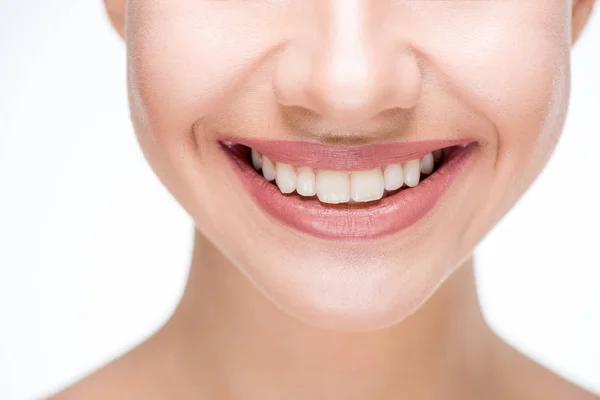
Apart from these, some situations may not be suitable for teeth whitening, and individuals may have specific treatment requirements. It is important to consult a dentist before undergoing teeth whitening treatment.
To maintain the results of teeth whitening for a long time and reduce the risk of sensitivity, it is important to pay attention to some key points. First of all, the first 48 hours after the procedure are quite critical; it is recommended to avoid foods and drinks that cause staining during this period. Similarly, smoking is also not recommended, especially after whitening, as it can lead to tooth discoloration.
Avoiding extremely hot or cold foods helps reduce tooth sensitivity. Maintaining your daily oral care routine is one of the most effective ways to preserve the longevity of the whitening process. Regular brushing with fluoride toothpaste, flossing, and mouthwash will help keep your teeth white for longer. Carefully following the care instructions recommended by your dentist and not missing regular check-ups will also help protect your dental health.