
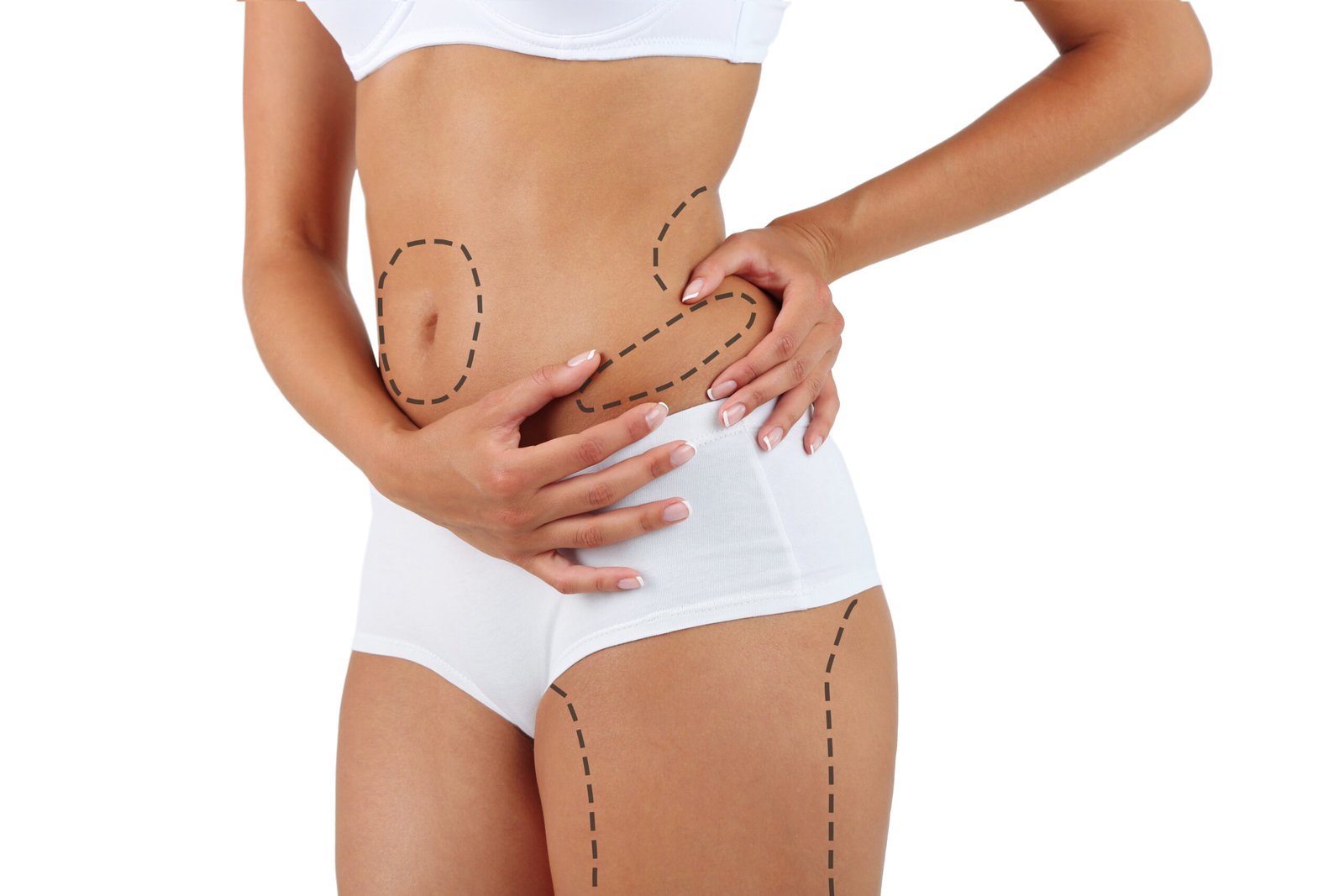
Liposuction is a body contouring procedure that uses specialized methods to break down and remove fat tissue that resists exercise and diet and causes localized deformities.
Liposuction is not a weight-loss surgery, but a body contouring procedure. It aims to permanently remove stubborn fat deposits in specific body areas that are often resistant to diet and exercise. The procedure involves the surgeon making small incisions in the skin, inserting thin tubes called cannulas, and using vacuum suction to remove the fat tissue.
The surgery can be performed under local or general anesthesia, depending on the patient’s condition and the size of the area to be treated. Liposuction targets fat deposits in areas such as the abdomen, waist, hips, thighs, back, arms, and chin. With advancements in technology, different methods such as Vaser (ultrasonic) liposuction, laser-assisted liposuction, and tumescent (wet) techniques are used. These methods help break down fat cells more easily, increasing the effectiveness of the operation.
The recovery process usually takes a few weeks, and involves reducing swelling and bruising. Wearing a special compression garment is recommended to help the skin adapt to the new contours. Liposuction permanently removes fat cells, but if a healthy lifestyle isn’t maintained, the remaining fat cells can grow, leading to new fat deposits. Therefore, liposuction should be supported by healthy eating and regular exercise habits.
Liposuction is a body contouring operation used to correct localized excess fat that cannot be eliminated through diet and exercise. Liposuction is not a weight loss method, but a contouring method. Some areas of the body may accumulate disproportionate amounts of fat compared to other areas due to pregnancy, diet, structural factors, or familial reasons.
Patients often lose hope and fall into a vicious cycle of overeating as a result of their inability to get rid of localized fat. These operations, which are much safer with new devices and techniques, offer patients a chance for a new beginning and motivation. It is observed that patients who do not want to lose the aesthetic gains achieved after the procedure pay attention to their diet, start exercising, and quickly progress towards a state of self-acceptance.
Once the procedure is complete, a special compression garment is fitted to the body. The purpose of this is to limit swelling, which is inevitable in a closed environment, to prevent internal bleeding, and to allow the person to move more comfortably after the procedure. From the third day after the procedure, it is perfectly fine to wear the garment and perform daily tasks without overexerting yourself. After the second week, the garment should be worn for another 5 weeks, removed at night and worn during the day.
Feeling weak and tired is normal, especially on the first day and for a few days. Paying attention to fluid intake can reduce these complaints. The goal is to consume an average of 2 liters of various electrolyte-containing fluids per day (unless you have high blood pressure). While fat removal by vacuum suction is not a very painful procedure, it varies depending on the individual’s pain threshold. It is mostly similar to the pain experienced after strenuous exercise. Pain is more intense in the first few days but decreases in the following days. After the procedure, pain relievers can be used as recommended by your doctor to reduce discomfort.
Weight loss should not be expected, especially in the first week after the procedure. Due to swelling and fluid loss, your weight may be the same as or even higher than before the procedure. Starting exercises and taking long walks a week after the procedure is quite beneficial. Gradually more strenuous sports can be introduced in the following days and weeks. Saunas, solariums, steam baths, and sunbathing are inadvisable for 6 weeks after the procedure. These can cause swelling in the healing tissues.
Generally, swelling subsides and the body takes shape after six weeks. If this period is managed with diet and exercise, the results will be extremely successful.
Possible problems during and after liposuction include early bleeding and swelling, as well as varying degrees of pain and numbness. It is important to consider the pre-operative examinations to avoid these discomforts. These are temporary problems. Massage should begin from the third week onwards. Massage is necessary to eliminate hardness and irregularities in the healing areas, essentially smoothing out any indentations and protrusions. Areas showing adhesions to underlying tissues can be corrected with vacuum augmentation (LPG). Depending on skin elasticity, the skin’s adaptation to the new condition is completed within 2-6 months. In areas with loose skin (inner thighs and arms), some lifting procedures can be performed later with smaller incisions.