
Individuals often choose zirconium veneers for teeth stained with stains. These veneers are also known as porcelain veneers. Furthermore, zirconium veneers are divided into two types: metal-supported and metal-free. Often performed on the recommendation of a dentist, this method is frequently preferred by individuals. Providing whitening to the teeth, these veneers also contribute to the health of the teeth and gums.
Zirconium crowns offer not only an aesthetically pleasing smile but also many advantages. These advantages can be listed as follows:
Due to its structure, it does not leave a dark color on the gums. Therefore, it will not create a black reflection like metal-coated teeth you might wear in later years.
Zirconium, due to its structure, allows light to pass through, offering the advantage of restoring your own teeth to their original appearance.
With proper care, it can be used for many years.
Zirconium is compatible with the gums, playing a significant role in your gum health.
People using zirconium do not experience sensitivity to hot and cold in their teeth.
It minimizes the formation of tooth stains and yellowing in smokers.
It also minimizes bad breath.
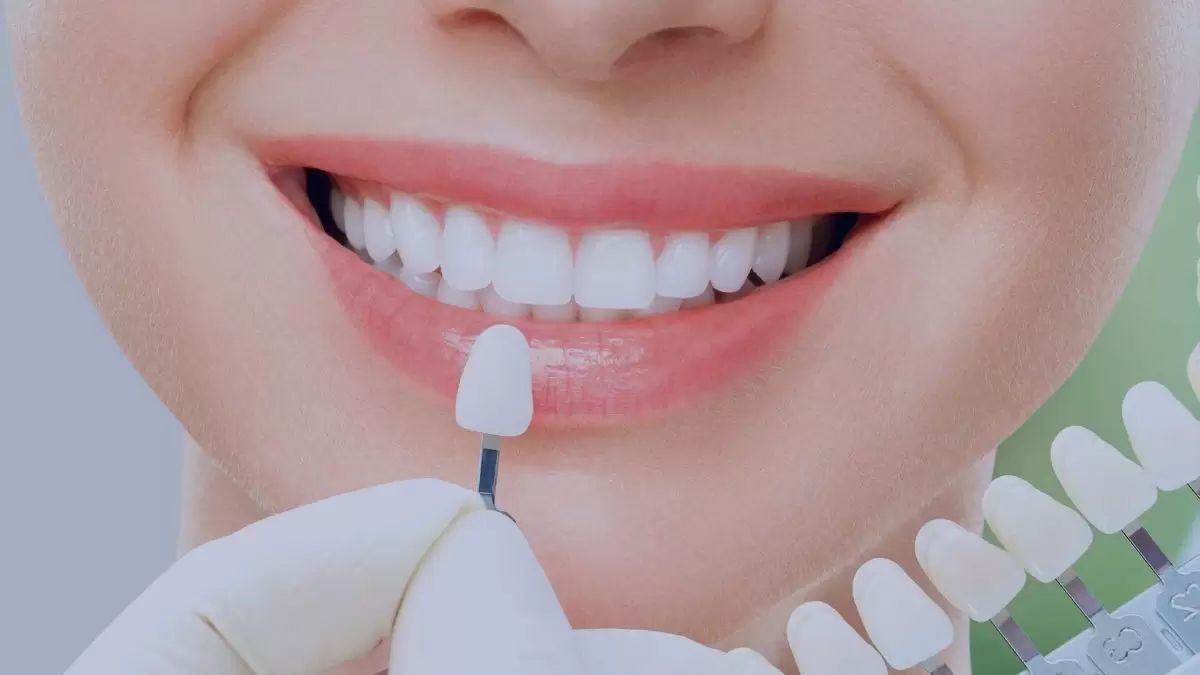
Zirconium dental veneers are becoming increasingly popular recently. However, those considering zirconium veneers often ask questions like “How are zirconium veneers made?”. When a patient visits a dentist or aesthetician, a minor treatment is performed on the tooth. This treatment determines the areas where the zirconium veneers will be applied. Then, photographs of the patient’s teeth are taken.
All the procedures are explained to the patient, and if the patient approves, the zirconium veneer application begins. First, the teeth are measured digitally. Then, technical details such as tooth color, veneer dimensions, number of teeth, and facial fit are checked. Once the zirconium veneers are ready, they are shown to the patient. If the patient approves, the zirconium veneer application process begins. Zirconium veneer procedures are completed within 4 or 5 days. This time frame may vary depending on the dentist’s workload. Dental procedures begin with filing down any excess material on the surface. After filing, the dentist bonds the zirconium to the tooth using a transparent, special adhesive. However, this bonding process requires great precision, as even a small mistake can result in the zirconium crown being damaged.