
Eyelid surgery, medically known as blepharoplasty, is the surgical correction of sagging, wrinkles, drooping of the upper and lower eyelids, and bags and lines in the lower eyelids, usually caused by aging, genetics, trauma, and infection.
It can be applied to those who experience sagging in the upper and lower eyelids due to aging, or those who have sagging in the eye area due to genetic reasons, trauma from accidents, or infections.
Eyelid aesthetics is a surgical procedure with very low risks when performed by experienced hands. The most common side effects are swelling (edema), rarely bruising, and bleeding in the form of oozing, which are mostly temporary. However, infection, severe bleeding, or problems threatening the eye or vision have also been reported in the literature. These are very rare side effects, and the likelihood of encountering such situations is negligible with careful and meticulous surgery performed by skilled professionals and with the necessary precautions.
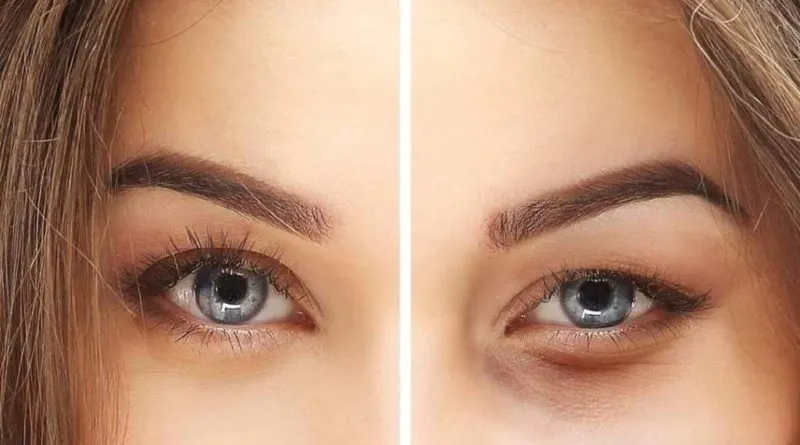
In eyelid aesthetic surgery, for upper eyelid blepharoplasty, preoperative drawings and measurements are made along the natural crease of the eye. A scalpel, a device called a cauterizer that makes an incision with heat, or special laser technologies are used for the incision. Lower eyelid aesthetics can be performed from the lower eyelid lash line or from the inner part of the eyelid using a method called transconjunctival incision.
In upper eyelid aesthetics, the following is done:
Making an incision along the eyelid crease in the natural skin fold of the upper eyelid
Removing excess skin, fat, or muscle
Closing the incision
The procedure performed on the lower eyelids is:
Making an incision just below the lower lashes or on the inner part of the lower eyelid
Repositioning or removing fat from under-eye bags (sometimes skin can also be removed)
If necessary, performing a procedure to support the eyelid muscles and tendons
Closing the incision